

HIGHLIGHT RESEARCH 
This is a comprehensive guide to measuring the performance of the Chinese economy in historical context, bridging the gap between economic methods and economic history to showcase the cutting edge of quantitative Chinese economic history research.
The book brings together contributions from active scholars working in the area, integrating perspectives and methods from economics, history, and the digital humanities. It shows how Chinese economic history has become an increasingly interdisciplinary field over the past two decades, one that has increasingly adopted economic concepts and methodologies while maintaining a strong qualitative research tradition. The book sheds light on new data sources, methodologies and debates in Chinese economic history research while spanning core topics including taxation, land property, rural economy, population, gross domestic product, wage, lineage, and urbanisation. Chapters survey with unprecedented depth and breadth in current literature how economic data in Chinese history were generated, processed, and utilized byboth the state and the private sector. This volume is expected to help students better identify emerging types of historical data, how to make meaningful use of them, and gain deeper insights into the early modern and modern economic history of China.

卜凱調查對近代經濟史研究產生了深遠影響,其收集的全國性農戶級數據在近些年經過整理出版后,為更深入的研究提供了寶貴資料。 然而,關於卜凱調查數據質量的爭議一直存在,因此,有必要從利用角度對其進行專門評估。 本文首先審視了學術史上被反覆討論的卜凱調查過程與調查地區的選擇性問題,認為卜凱調查的價值不在於提供能反映各縣乃至全國平均水準的隨機抽樣數據,而在於提供一個有相當地區變異性的系統數據集,而且能與其他調查數據相互印證,並用於分析變數間的關係。 其次,基於新出的卜凱調查微觀數據,本文對農業投入與產出等數據的品質進行了甄別,指出在進行微觀層面分析時需特別注意戶級樣本的選擇性和單產缺乏戶級層面變異性等問題。 同時,本文結合微觀數據,重新計算了卜凱用於評估農戶生產效率的幾個重要統計指標,發現卜凱統計資料中的作物指數、每人工等數之穀物等數之生產量等指標存在意義模糊、算法不一致等問題,需要重新反思以此為依據的學術討論。
Centralized tax administration with top-down monitoring is regarded as a key element of the modern fiscal state. However, centralized administration can also introduce new agency problems for the monitors and create distortions across levels of the bureaucratic hierarchy. This paper studies how a fiscal administration reform aimed at monitoring local taxation can have unintended consequences on state capacity in late 18th-century China, using a novel dataset on tax collection constructed from administrative archives. We exploit predetermined variation across counties in exposure to the reform, which imposed formal oversight on county taxation by provincial treasuries. We find that the reform had a negative effect on tax collection. The decline in tax collection can be explained by a top-down encroachment mechanism: the reform created greater scope for monitors to withhold and misappropriate county funds. Such intergovernmental fiscal encroachment undermined local tax enforcement capacity and distorted county bureaucrats’ incentives to underreport and embezzle revenue. We provide a range of evidence consistent with these causal chains.
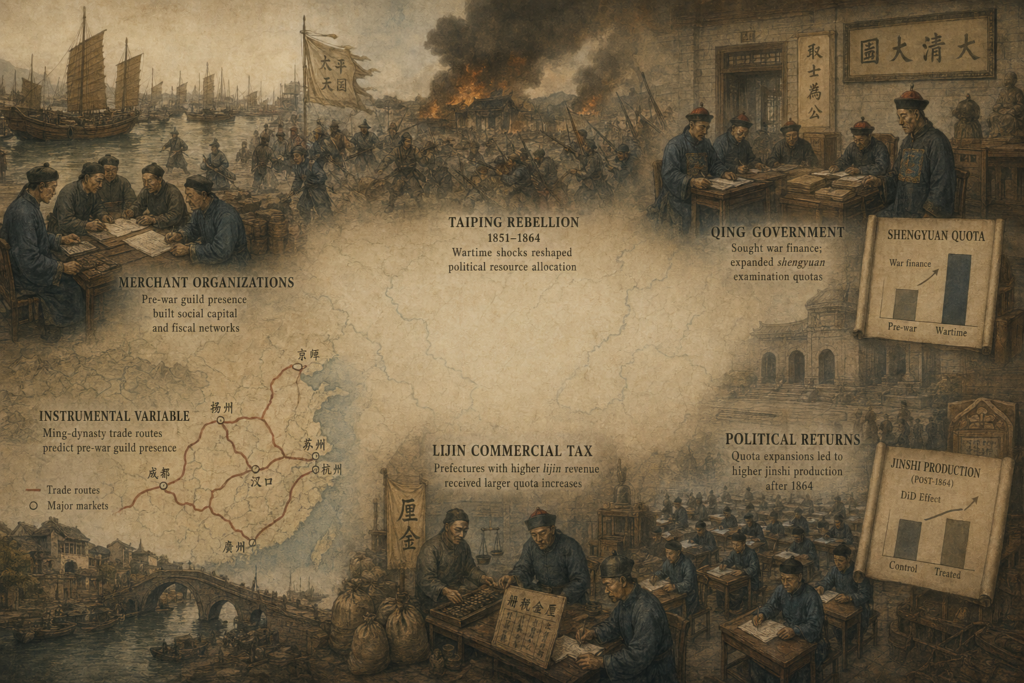
This paper investigates whether merchant organizations shaped the wartime redistribution of political resources in late imperial China. During the Taiping Rebellion (1851–1864), the Qing government turned to merchant networks for war finance and, in exchange, expanded examination quotas for the shengyuan degree. Using crosssectional data on 262 prefectures, I show that pre-war merchant guild presence strongly predicts wartime quota increases, concentrated in battle-affected areas. Instrumenting guild presence with Ming-dynasty trade routes supports a causal interpretation. The lijin commercial tax is a plausible channel: prefectures collecting more lijin revenue received larger quota allocations. A difference-in-differences analysis confirms that quota expansions translated into higher jinshi production after 1864. The findings provide quantified evidence that fiscal contributions can purchase political selection in a premodern autocracy.
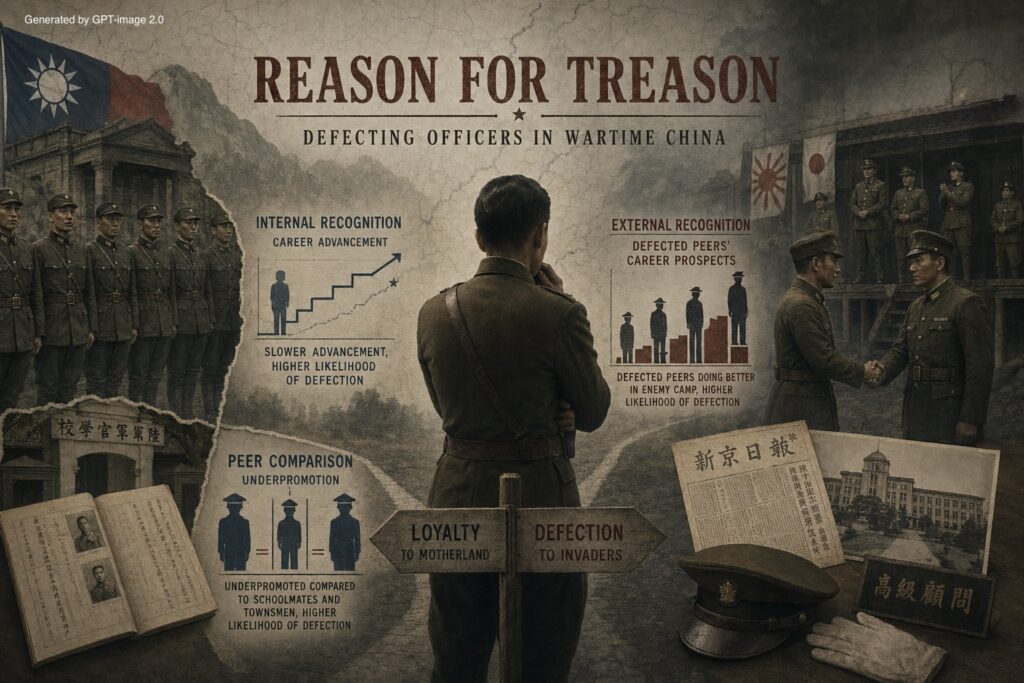
Defections during war are extreme changes in loyalty. What motivates military officers to betray their motherland and serve the invaders? Using a novel dataset of career paths for over 2,800 high-ranking (colonels and generals) Nationalist (KMT) military officers during the Second Sino-Japanese War (as part of World War II), we examine defection cases to Japanese puppet regimes. Three findings emerge. First, high-ranking KMT officers who advanced more slowly in their careers were more likely to defect; suggesting that internal organizational recognition matters. Second, officers who were underpromoted compared to their schoolmates and townsmen were more likely to defect, suggesting that peer comparison matters. Third, officers were more likely to defect when their defected peers had better career prospects in the enemy’s camp, suggesting that external recognition matters.
This study systematically analyzes Chinese export ceramics (7th–13th centuries) excavated in Southeast Asia, South Asia, and the Islamic World, as well as from shipwrecks in Chinese and Southeast Asian waters. Three peaks in export volume are identified during this period (9th, 11th, 13th centuries), dominated respectively by Changsha kiln, Southern China kilns (primarily Yue kiln celadon), and Longquan kiln. The three peaks in Chinese ceramic exports were marked by an evolution in the typology and production sites of the wares, and also corresponded with key advancements in navigational technology, a shift in trade patterns from direct shipping to transshipment, the maturation of long-distance maritime routes, and a broadening of the consumer base from elites to commoners. These patterns reflect the dynamics and development of the maritime trade mechanism.

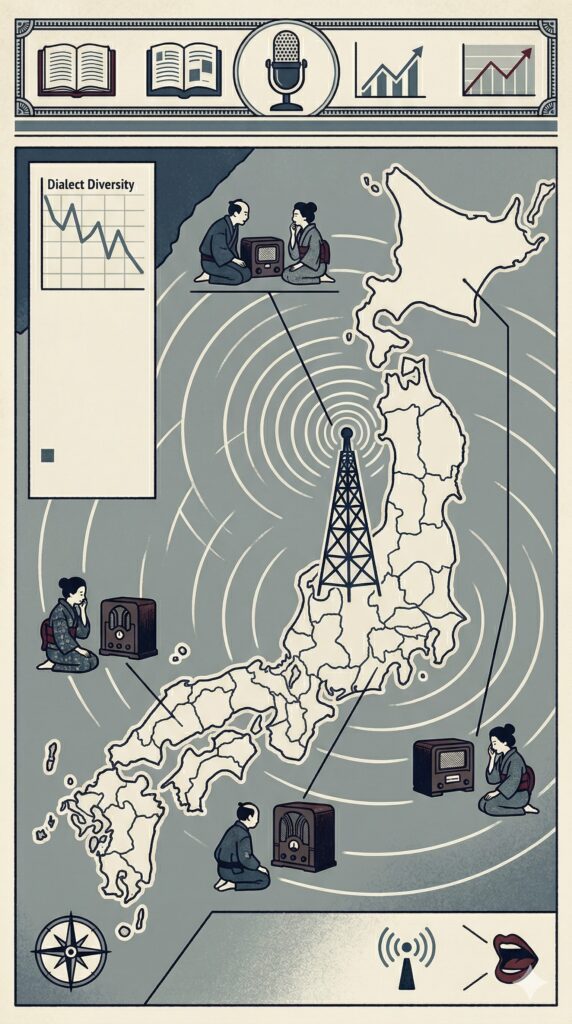
This paper examines how mass media influences language assimilation by studying the introduction of radio broadcasting in Japan between 1926 and 1950. Leveraging Nippon Hoso Kyokai (NHK)’s monopoly in radio broadcasting and its exclusive use of Tokyo dialect, I analyze how exposure to NHK radio affected local linguistic patterns. Using comprehensive linguistic atlases and radio signal data, I find that exposure to NHK radio significantly reduced language distance to Tokyo dialect. I further analyze how economic conditions, human capital, and institutional context moderated this assimilation effect.
This paper revisits the old thesis of the contrasting paths of modernization between Japan and China. It develops a new analytical framework regarding the role of knowledge acquisition (propositional vs. prescriptive) and political centralization as the key drivers behind these contrasting paths. Our model and historical data highlight how the introduction of these elements contributed to Meiji Japan’s decisive turn towards the West and Qing China’s lethargic response to Western imperialism. Our analytical framework, developed from a comparative historical narrative and quantitative data, sheds new insights onto the importance of knowledge acquisition for enabling developing countries to reach the world’s economic frontier.
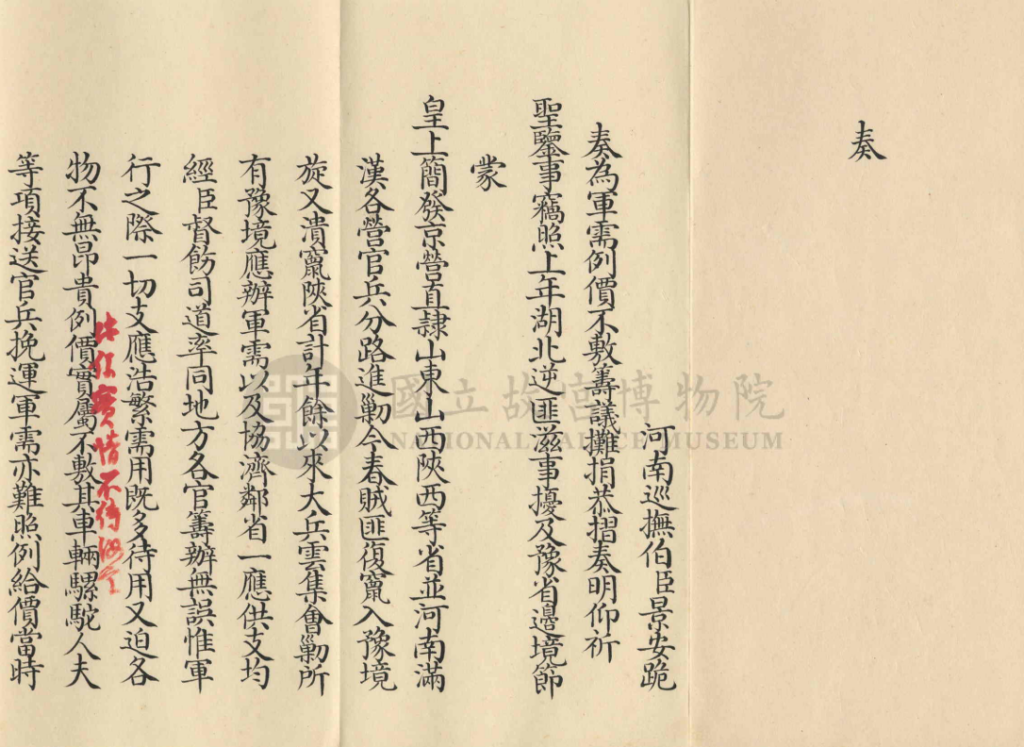
Property confiscation cases were frequent during the Qing dynasty, with more than 2,500 cases documented in official records. These cases left behind many detailed records in the Qing imperial archives, yet the materials have long remained scattered and unsystematic.
This book brings together a wide range of archival materials related to property confiscation, extracts and organises the price data contained in them, and presents the data in tabular form. For the first time, it systematically and comprehensively showcases the value of various items in the Qing period, including luxury goods, valuables, everyday household items, and other miscellaneous objects.