




Related News
 July 18, 2024
 News
News
 January 17, 2024 Announcement
Related Publication and Projects

We examine the long-term pattern of state formation and the mythical historical Chinese unity under one single political regime based on the compilation of a large geocoded annual data series of political regimes and incidences of warfare between 221 BC and 1911 AD. Guided by a carefully constructed historical framework and narrative, we classify our data sets into two types of regimes – agrarian and nomadic – and three types of warfare– agrarian/nomadic, agrarian/agrarian and internal rebellions – and applying an Autoregressive Distributed Lag (ARDL) model, we find that nomadic-agrarian warfare and internal rebellion strengthens unification but agrarian/agrarian warfare entrenches fragmentation. Our paper offers a comprehensive analysis on both the historical processes and driving force leading to China’s eventual unity in a comparative and global context.
November 16, 2024 Working Papers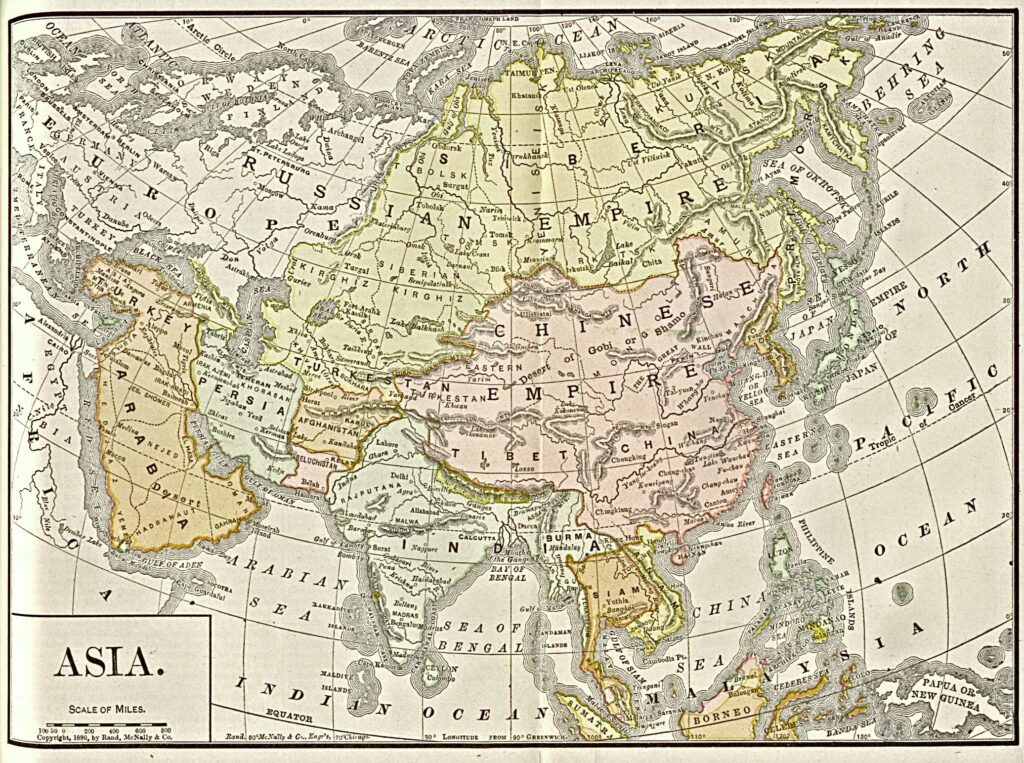
This paper revisits the old thesis of the contrasting paths of modernization between Japan and China. It develops a new analytical framework regarding the role of knowledge acquisition (propositional vs. prescriptive) and political centralization as the key drivers behind these contrasting paths. Our model and historical data highlight how the introduction of these elements contributed to Meiji Japan’s decisive turn towards the West and Qing China’s lethargic response to Western imperialism. Our analytical framework, developed from a comparative historical narrative and quantitative data, sheds new insights onto the importance of knowledge acquisition for enabling developing countries to reach the world’s economic frontier.
March 26, 2026 Working Papers